
Cherry Blossom Season in Japan: Best Time by Region
Cherry blossom season is one of the most searched topics about Japan, and also one of the most confusing to plan. Bloom dates change every year, flowers don’t last long, and online advice can make it feel like you need perfect timing to enjoy it.
The reality is much simpler. Cherry blossoms bloom at different times across Japan, which means there’s usually somewhere to see them during spring. Instead of focusing on exact dates, it’s far more helpful to plan by where you’ll be and when.

Below is a clear, region-by-region breakdown of cherry blossom timing across Japan, with specific places to visit, realistic expectations, and a few quieter alternatives along the way.
Late February to Early March
Early-Blooming Cherry Blossoms
Cherry blossom season begins earlier in warmer coastal areas, before spring fully reaches the rest of Japan. These early varieties often have deeper pink petals and bloom for longer than the Somei Yoshino trees found in most cities.
This period is ideal if your trip starts early or if you want a softer introduction to sakura season without peak crowds. The atmosphere feels more local, and viewing is less rushed.

Where to go
- Kawazu, Shizuoka - Famous for Kawazu-zakura lining the river
- Atami - Easy access, coastal views, and multiple early varieties
- Minami-Izu - A quieter alternative with longer bloom windows


Late March to Early April
Tokyo, Kyoto, and Osaka
This is the most well-known cherry blossom period in Japan and when most travelers arrive. Parks, rivers, and historic sites across major cities fill with sakura, and many spots are easy to visit without leaving the city.
Bloom timing can vary even within the same city depending on sunlight, temperature, and tree variety. Visiting more than one location improves your chances of seeing good blooms. Early mornings and weekdays are generally calmer and more comfortable.

Tokyo
Tokyo offers some of the widest variety of cherry blossom settings, from riverside walks to spacious gardens, with a new seasonal sakura walking tour now available through TOMOGO!
Where to go
- Meguro River - Iconic, especially at night
- Ueno Park - Central, lively, and easy to access
- Chidorigafuchi - Scenic moat views, best in the morning
- Shinjuku Gyoen - Multiple varieties bloom at different times
- Asukayama Park - A local favorite with fewer tourists

Kyoto
Kyoto’s cherry blossoms are closely tied to temples, shrines, and historic streets. Timing is important here, as some spots get crowded quickly.
Where to go
- Philosopher’s Path - Canal-side walk lined with sakura trees
- Maruyama Park - Famous weeping sakura tree and evening lights
- Heian Shrine - Spacious gardens with later-blooming varieties
- Keage Incline - Railway tracks framed by blossoms, best early morning

Osaka
Osaka’s cherry blossom spots are more spacious and relaxed, making them a good choice if you want room to walk or sit.
Where to go
- Osaka Castle Park - Wide grounds with the castle views
- Kema Sakuranomiya Park - Long riverside stretch of sakura trees
- Expo ’70 Commemorative Park - Large park with fewer crowds
Early to Mid-April
Cooler Areas North of Tokyo
As cherry blossoms fade in central Japan, cooler regions further north reach full bloom. This timing works well for April travelers or those looking for spring scenery without peak congestion.
These areas often combine cherry blossoms with castles, gardens, and traditional towns, making them especially rewarding.

Where to go
- Kanazawa - Classic garden scenery at Kenrokuen
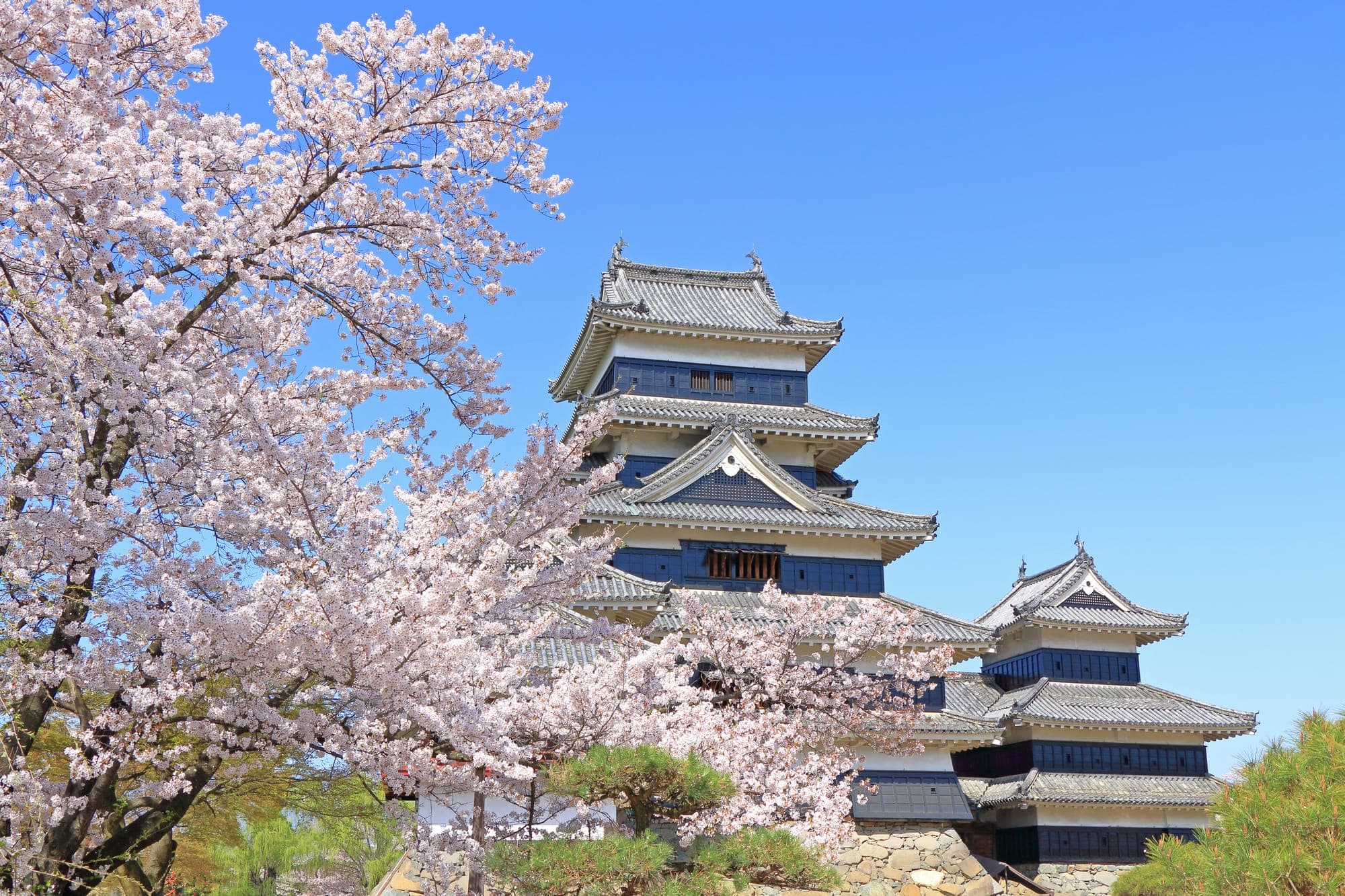
- Matsumoto, Nagano - Castle views framed by blossoms
- Sendai - Riverside parks and open city walks
- Aizu-Wakamatsu - Historic castle town and quieter streets
Late April to Early May
Hokkaido
Hokkaido marks the final chapter of cherry blossom season in Japan. Spring arrives later here, and blossoms often appear alongside fresh greenery and crisp air.
Even during busy travel periods, parks feel open and unhurried.

Where to go
- Hakodate - Star-shaped park at Goryokaku
- Sapporo - Maruyama Park and Hokkaido Shrine, both with wide paths
- Noboribetsu - Parks near onsen areas for a quieter experience

Crowds, Viewing Tips, and Small Adjustments
Cherry blossom season is popular, but small choices make a big difference:
- Visit early in the morning
- Choose weekdays over weekends
- Walk a few stations away from famous landmarks
- Look for neighborhood parks and rivers
If you only have time for one cherry blossom stop, large parks and riverside walks usually offer the longest-lasting and most forgiving viewing windows.

How to Check Cherry Blossom Forecasts
Cherry blossom timing changes every year, so checking the forecast close to your trip is essential. Japan has several reliable, official sources that update regularly as spring approaches.
The most trusted source is the Japan Meteorological Agency (JMA), which releases region-by-region bloom forecasts and refines them as temperatures shift.
Major Japanese weather outlets also publish detailed sakura forecasts, including:
- Weathernews Sakura Forecast - Frequently updated and easy to read
- Japan Weather Association - Clear regional breakdowns and timing ranges

If Your Timing Isn’t Perfect
Cherry blossoms don’t disappear overnight. Many areas have early and late-blooming varieties, and falling petals, known as sakura fubuki, can be just as memorable as full bloom.
If blossoms are past their peak in one city, traveling slightly north often brings better timing. Large parks and riverside walks also tend to hold blooms longer than street-lined trees.
Some travelers end up enjoying cherry blossom season more when expectations are flexible. Slower moments, drifting petals, and quieter parks often become the memories that last the longest.

Which part of Japan will you be in when spring arrives?
TOMOGO! tours are planned around seasonal timing, helping you experience cherry blossoms naturally, without rushing or guesswork.