
Best Time to Visit Tokyo: Season by Season Guide

Tokyo is a city that constantly changes, not just year to year but season to season. The best time to visit Tokyo depends on what you want to experience, whether that’s seasonal food, festivals, shopping, or outdoor sightseeing. Each season offers different highlights, and knowing what to expect makes planning far easier.
From cherry blossoms and summer festivals to autumn colors and winter illuminations, Tokyo offers something different year round, but some periods are easier and more enjoyable than others. Below is a season by season guide to help you decide when Tokyo fits your travel style best.


Spring in Tokyo: Cherry Blossoms and Peak Travel

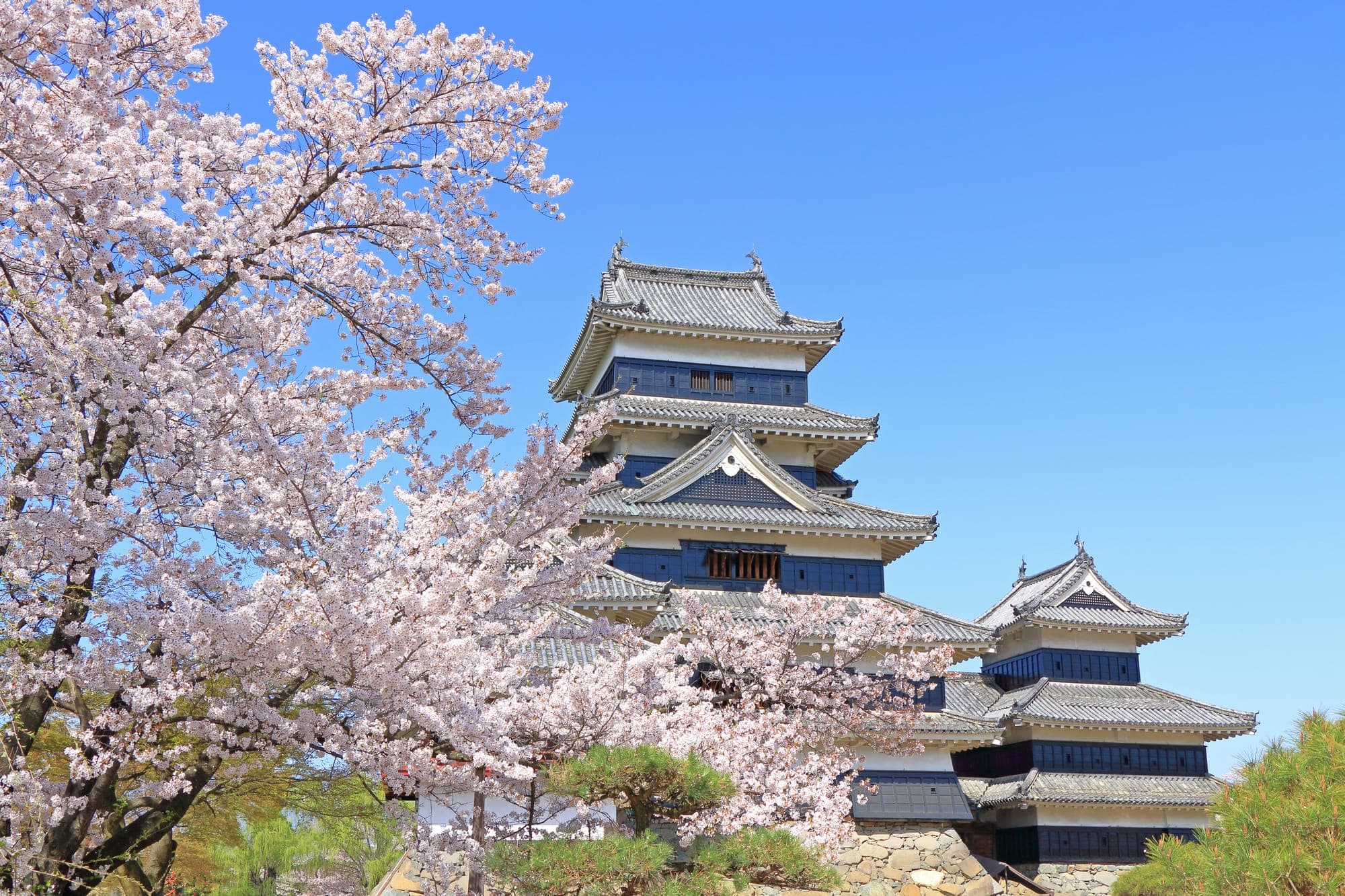
For many travelers, spring is considered the best time to visit Tokyo. From late March to early April, cherry blossoms bloom across parks, rivers, and temple grounds. Spring weather is generally mild, making it comfortable for walking and sightseeing.
What to see
• Ueno Park and Shinjuku Gyoen for cherry blossoms
• Chidorigafuchi for riverside sakura views
• Meguro River for evening walks during blossom season
Things to do
• Hanami picnics in parks and along rivers
• Visit Meiji Shrine and Asakusa during spring festivals
• Explore neighborhoods like Daikanyama and Shimokitazawa
What to eat
• Sakura mochi and seasonal wagashi
• Spring bentos sold at department stores
• Limited-time sakura drinks and food from cafes and restaurants
What to buy
• Seasonal sweets from department store food halls
• Spring-only stationery and packaging
• Lightweight clothing and accessories released for the new season
Accommodation prices rise, popular areas become crowded, and flexibility is important. If you plan carefully and book early, spring can be one of the most rewarding times to experience the city.
Summer in Tokyo: Festivals and City Energy

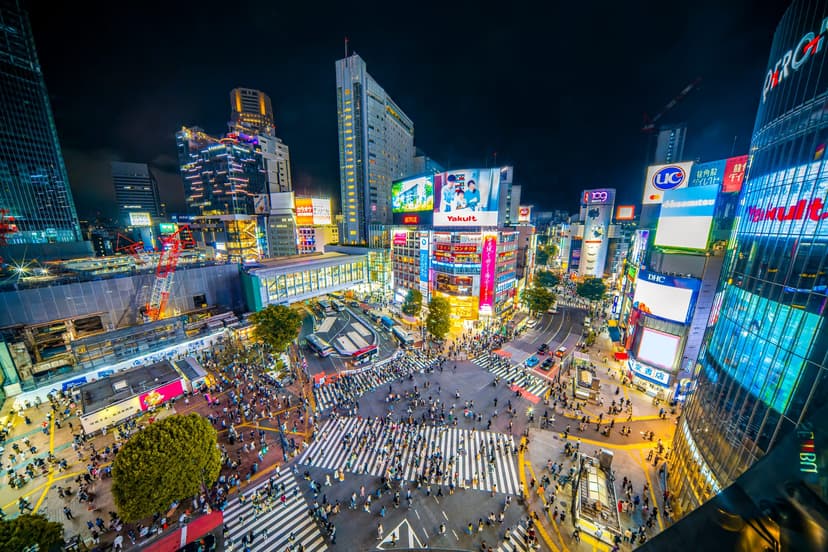
Summer in Tokyo runs from June through August and is marked by heat, humidity, and vibrant seasonal events. While temperatures can be challenging, summer is also when Tokyo feels most alive. Fireworks festivals, outdoor beer gardens, and neighborhood festivals fill the calendar.
What to see
• Sumida River Fireworks Festival
• Neighborhood shrines during summer fetivals
• Evening city views from Tokyo Tower or Shibuya Sky
Things to do
• Attend fireworks and local festivals
• Visit rooftop beer gardens in Shinjuku and Roppongi
• Explore museums, shopping malls, and indoor attractions
What to eat
• Cold noodles like soba and somen
• Kakigori shaved ice from specialty cafes
• Seasonal street food at festivals
What to buy
• Handheld fans, towels, and cooling items
• Summer kimono (yukata)
• Seasonal snacks and drinks
July and August are especially active, but travelers should be prepared for hot weather and sudden rain. Summer may not be the best time to visit Tokyo for those sensitive to heat, but it suits travelers who enjoy festivals, nightlife, and seasonal food.
Autumn in Tokyo: Comfortable Weather and Color

Autumn is often considered the best time to visit Tokyo for balance. From October to November, temperatures are cooler, humidity drops, and autumn leaves begin to appear in gardens and parks such as Rikugien and Meiji Jingu Gaien.
What to see
• Autumn leaves at Rikugien and Koishikawa Korakuen
• Ginkgo trees along Meiji Jingu Gaien
• Parks and temple grounds across the city
Things to do
• Walk through gardens and historic neighborhoods
• Visit museums and galleries during cooler weather
• Take day trips to Kamakura or Mount Takao
What to eat
• Chestnut desserts and sweet potato snacks
• Seasonal mushrooms and hot meals
• Autumn limited drinks and pastries
What to buy
• Autumn fashion and knitwear
• Seasonal home goods and ceramics
• Food souvenirs featuring chestnut or sweet potato
Crowds are more manageable than spring, and the weather is ideal for exploring neighborhoods on foot. Seasonal food and cultural events continue throughout the city, making autumn a strong choice for first-time visitors.
Winter in Tokyo: Clear Skies and Seasonal Displays

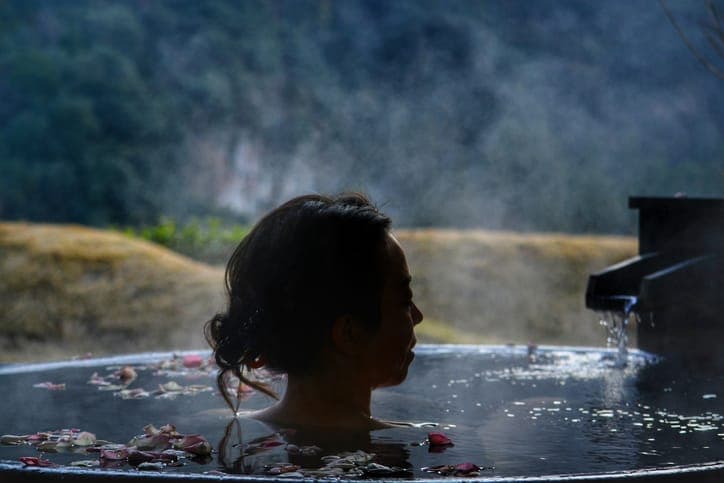
Winter, from December to February, offers a quieter side of Tokyo. While temperatures are cooler, snowfall is rare, and sunny days are common. Winter illuminations light up areas like Shibuya, Roppongi, and Marunouchi, adding atmosphere to evening walks.
What to see
• Winter illuminations in Shibuya, Marunouchi, and Roppongi
• Tokyo Skytree and city views on clear days
• New Year decorations at shrines and temples
Things to do
• Visit shrines for Hatsumode in early January
• Enjoy hot drinks and winter cafes
• Explore shopping areas without peak crowds
What to eat
• Oden and nabe hot pot
• Seasonal desserts and warm sweets
• Winter-only convenience store items
What to buy
• Winter fashion and accessories
• Limited-edition holiday packaging
• Souvenirs without crowds
Early January can be tricky, as many businesses close for New Year holidays. Outside of this period, winter is a practical time to visit Tokyo, with lower accommodation prices and easier reservations.
So, When Is the Best Time to Visit Tokyo?

For most travelers, spring and autumn are the best times to visit Tokyo due to comfortable weather, seasonal scenery, and a wide range of activities. Summer and winter each offer unique experiences, but they require more planning and flexibility.
Tokyo has no single perfect season. The best time to visit Tokyo depends on what you want to see, eat, and experience.

Ready to experience Tokyo at its best?
Explore the city with a TOMOGO! tour and enjoy seasonal highlights without the planning stress