
Spring in Japan: What to Expect Beyond Cherry Blossoms
Spring is one of the most anticipated seasons in Japan, often defined by images of cherry blossoms in full bloom. While sakura is undeniably special, spring in Japan offers far more than a single moment or photo opportunity.
From seasonal events and regional travel to limited-time food and natural scenery, spring brings variety across the country. Knowing what to expect and where to go helps travelers plan beyond peak bloom days and crowded parks, while discovering lesser-known experiences that make spring in Japan unique.

Cherry Blossoms Are Only One Part of Spring in Japan
Cherry blossoms are beautiful, but they are brief and unpredictable. Bloom dates shift every year depending on winter temperatures, and peak bloom can last only a few days. but they appear in thousands of locations across Japan. Many travelers plan their entire trip around sakura and end up dealing with crowds or missing the timing entirely.
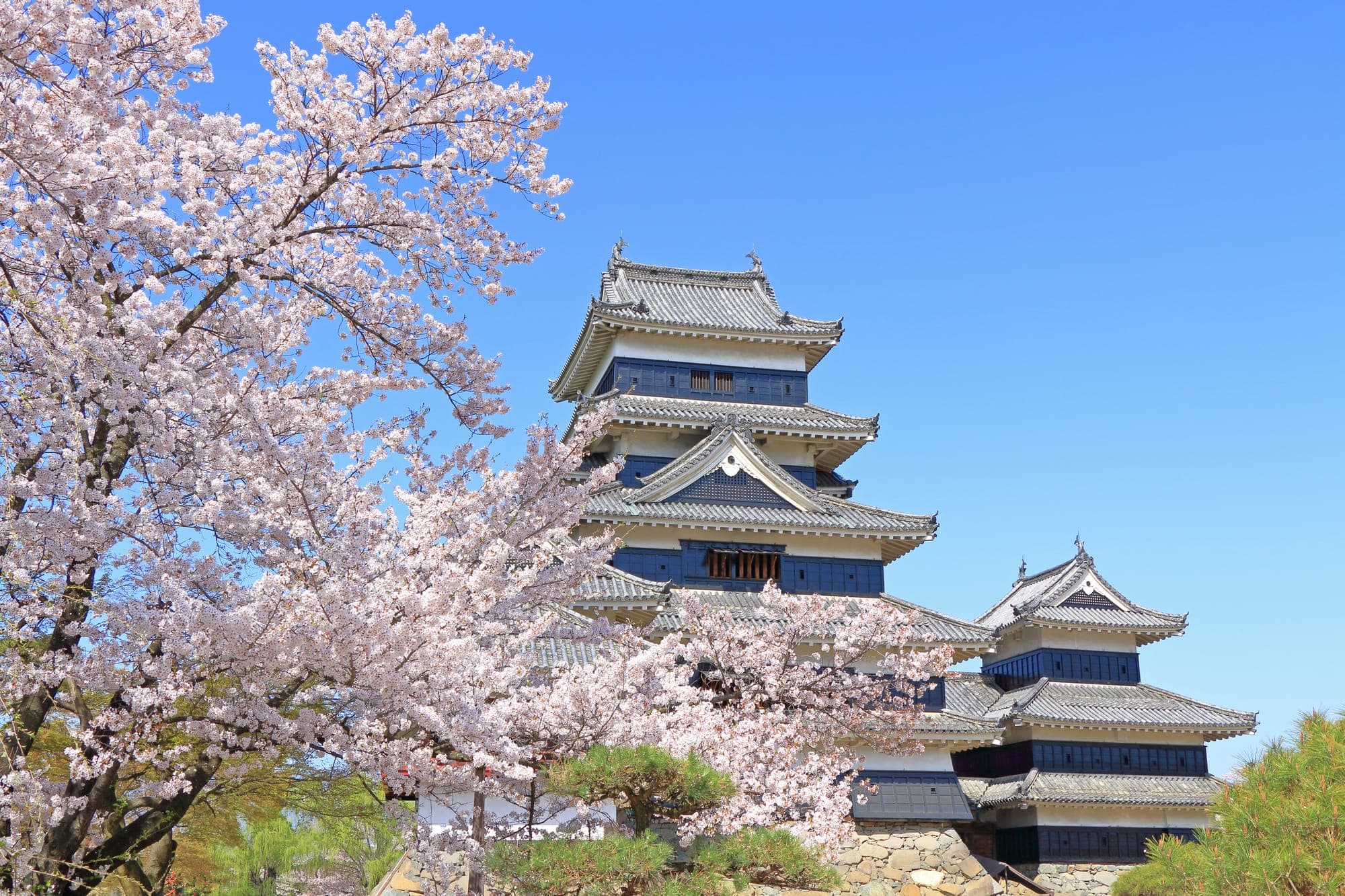
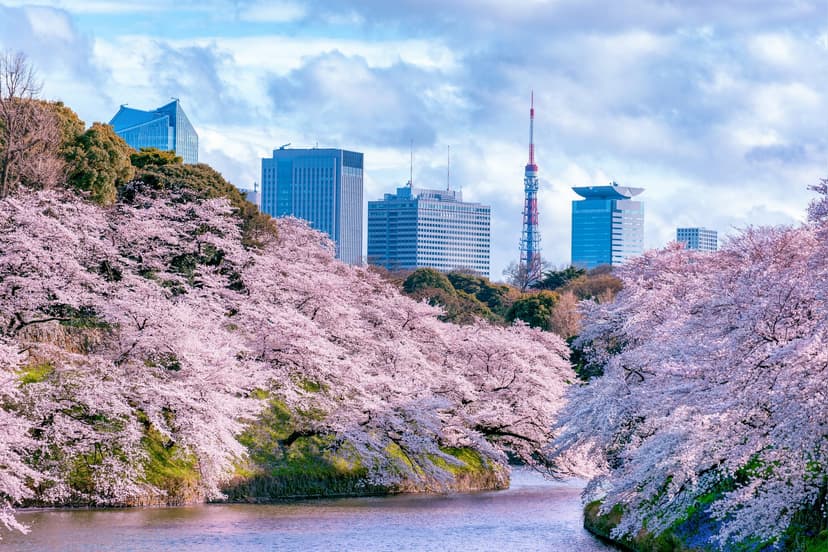
Rather than treating cherry blossoms as the main goal, it helps to see them as one highlight within a much broader season. Major cities like Tokyo, Kyoto, and Osaka draw crowds to famous parks and temples. In Tokyo, Ueno Park, Shinjuku Gyoen, and Chidofarigafuchi Moat are classic hanami (cherry blossom picnic) spots. Kyoto offers Philosopher's Path, Maruyama Park, and Kiyomizu-dera. Osaka has Osaka Castle Park and Kema Sakuranomiya Park.


For a quieter experience, consider neighborhood parks, smaller riversides, or temple grounds such as Shibamata Taishakuten in Tokyo or Daikaku-ji in Kyoto. Early morning or late afternoon visits can avoid crows and provide soft, beautiful light for photos.

Cherry Blossom Timing Guide for Spring in Japan
Cherry blossoms bloom gradually from south to north, creating a rolling spring across the country. While exact dates change every year, this general guide can help with planning:
- Southern Japan (Kyushu)
Late March
Cities like Fukuoka and Kumamoto see the first blooms. - Central Japan (Kyoto, Osaka, Hiroshima)
Late March
This is the traditional peak for cultural destinations. - Eastern Japan (Tokyo, Yokohama, Kamakura)
Late March
Local events often coincide with bloom season. - Northern Japan (Tohoku, Hokkaido)
Early April
Snowy landscapes make the contrast with blooming cherry blossom trees striking.
For the most accurate and up-to-date information, the Japan Meteorological Corporation Sakura Forecast is one of the most reliable official sources. It is updated regularly each season and offers regional predictions across Japan.
🔗 Official Sakura Forecast
Official Website (Available in Japanese and English)
Because peak bloom usually lasts around one week, flexibility is key. If cherry blossoms are your main focus, consider visiting multiple regions to catch the best timing.

Seasonal Events and Local Traditions
Spring marks the return of festivals and outdoor events across Japan, with many local event toed to shrines, neighborhoods, and agricultural cycles. Some of the most notable include:
- Kyoto's Aoi Matsuri
May 15th
Features traditional costumes and processions through the city. - Takayama Spring Festival
April 14th-15th
Know for ornate floats and performances in the historic old town. - Shibamata Taishakuten Hanami
Late March to early April
Combines cherry blossom viewing with traditional temple activities. - Local Flower Festivals
Many smaller towns host festivals for plum blossoms, wisteria, or azaleas, offering quiet alternatives to the big-city crowds.
Golden Week (April 29th - May 6th) is another important period to consider. Domestic travel peaks during this time, so if you're visiting popular destinations, consider planning before or after to avoid congestion.t

Spring Food to Try in Japan
Spring menus reflect the season, offering fresh ingredients and seasonal flavors. Some highlights include:
- Bamboo Shoots (takenoko)
Often grilled, simmered, or added to soups. - Mountain Vegetables (sansai)
Used in tempura, salads, and noodle dishes. - Sakura-Themed Sweets
Mochi, wagashi, and limited-edition desserts appear in cafes and department stores. - Strawberries
Particularly in Tochigi, Fukuoka, and Shizuoka; many regions host strawberry-picking experiences.
Spring is also a time when cafés release new seasonal drinks, often sakura or matcha-flavored. Visiting smaller, local tea houses can give a more authentic experience than tourist-heavy areas.

Best Places to Visit in Japan During Spring
While in Tokyo, Kyoto, and Osaka are natural choices, spring is a great time to explore regional destinations:
- Kanazawa
Visit Kenrokuen Garden, samurai districts, and teahouses for a more traditional and relaxed spring experience. - Nagano and the Japanese Alps
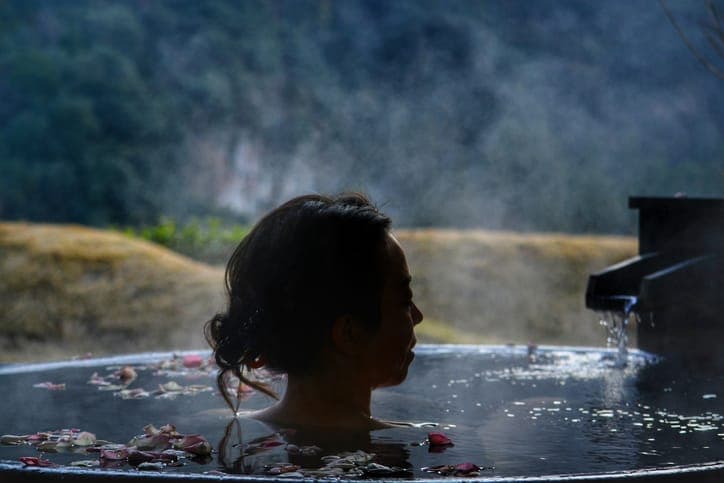
Mountains still retain snow in early spring, offering crisp views, hiking paths, and nearby onsen towns. - Kamakura
A coastal town with historic temples, waling trails, and scenic views that complement seasonal blooms. - Northern Japan
Locations such as Matsushima in Miyagi and Hirosaki Castle in Aomori combine cherry blossoms with iconic landscapes.
Regional travel allows you to enjoy spring at a slower pace while seeing how seasonal changes differ across Japan's prefectures.

Planning Tips for Spring in Japan
Spring is one of Japan's busiest travel season, particularly from late March to early April. To make the most of your visit:
- Book accommodations early
Hotels fill quickly in popular hanami areas, so it is essential to book as soon as possible. - Layer your clothing
Temperatures can vary between chilly mornings and warmer afternoons. Make sure to bring easy to take off layers. - Wear comfortable walking shoes
Many parks, temples, and neighborhoods require significant amounts of walking. - Use public transportation
Trains and buses are the most efficient way to move between cities and regional destinations. - Check bloom forecasts regularly
Adjust your daily schedule if possible to match the peak bloom for your chosen spots.

Seeing More Than Cherry Blossoms in Spring
Spring in Japan is about more than fleeting flowers. It's a season to explore seasonal food, regional festivals, and local traditions. Gardens, temples, and neighborhoods take on subtle seasonal changes, and even smaller towns offer experiences that are less crowded and often more authentic.

Looking to explore Japan in spring with local insight?
Join a TOMOGO! tour to explore seasonal events, regional destinations, and local food with guidance from people who know Japan well.