
Things to Do in Fukushima: 2025 Travel & Tokyo Day Trips
When most travelers think of Japan, Tokyo, Kyoto, and Osaka often come to mind. But if you’re seeking a destination that blends samurai history, breathtaking landscapes, relaxing hot springs, and world-class food all just a few hours from Tokyo, Fukushima is a hidden gem worth adding to your list.

I might be a little biased since I grew up in Fukushima, but it’s honestly my favorite place in Japan. With its kind people, delicious food, and incredible scenery, it’s a region that stays with you long after your visit.
In this Fukushima Travel Guide 2025, I’ll cover:
- Safety: Is Fukushima safe to visit?
- How to get there from Tokyo
- Top attractions and hidden gems
- Local food & cultural highlights
- A suggested 2-day itinerary
- Best time to visit


Is Fukushima Safe to Visit in 2025?
People often assume Fukushima is unsafe due to the 2011 earthquake and nuclear accident. And while there are restricted areas, the vast majority of Fukushima Prefecture is safe and open to travelers.
Here’s why you can visit with confidence:
- Radiation levels are regularly monitored by the Japanese government and international organizations.
- Popular destinations like Aizu-Wakamatsu, Ouchi-juku, and Fukushima’s hot spring towns are well outside restricted zones.
- For the latest information, check the [Japan National Tourism Organization – Fukushima Travel Safety] updates.
You can easily explore Fukushima’s samurai towns, onsens, orchards, and sake breweries without worry.
How to Get to Fukushima from Tokyo
Although it might seem far away, Fukushima is pretty accessible from Tokyo via Shinkansen, making it ideal for a weekend getaway. While a day trip is possible, I recommend staying longer since the region is more spread out than Tokyo and a day trip could be a bit ambitious.

By Shinkansen (Bullet Train):
- Tokyo → Fukushima City: ~1 hr 30 min (Tohoku Shinkansen)
- Tokyo → Koriyama: ~1 hr 20 min
- Tokyo → Aizu-Wakamatsu (via Koriyama): ~2 hrs 30 min
By Car: 3–4 hrs depending on your destination.
Rail Pass Tip: The JR East Tohoku Area Pass is cost-effective if you’re planning multiple trips in northern Japan.
📍 Fukushima Station – Google Maps
Top Attractions and Hidden Gems
Aizu-Wakamatsu – Japan’s Samurai City
Aizu-Wakamatsu, where I grew up, is the cultural and historical heart of Fukushima. Known as the “Samurai City,” it offers rich history, local culture, and some amazing food.

Highlights:
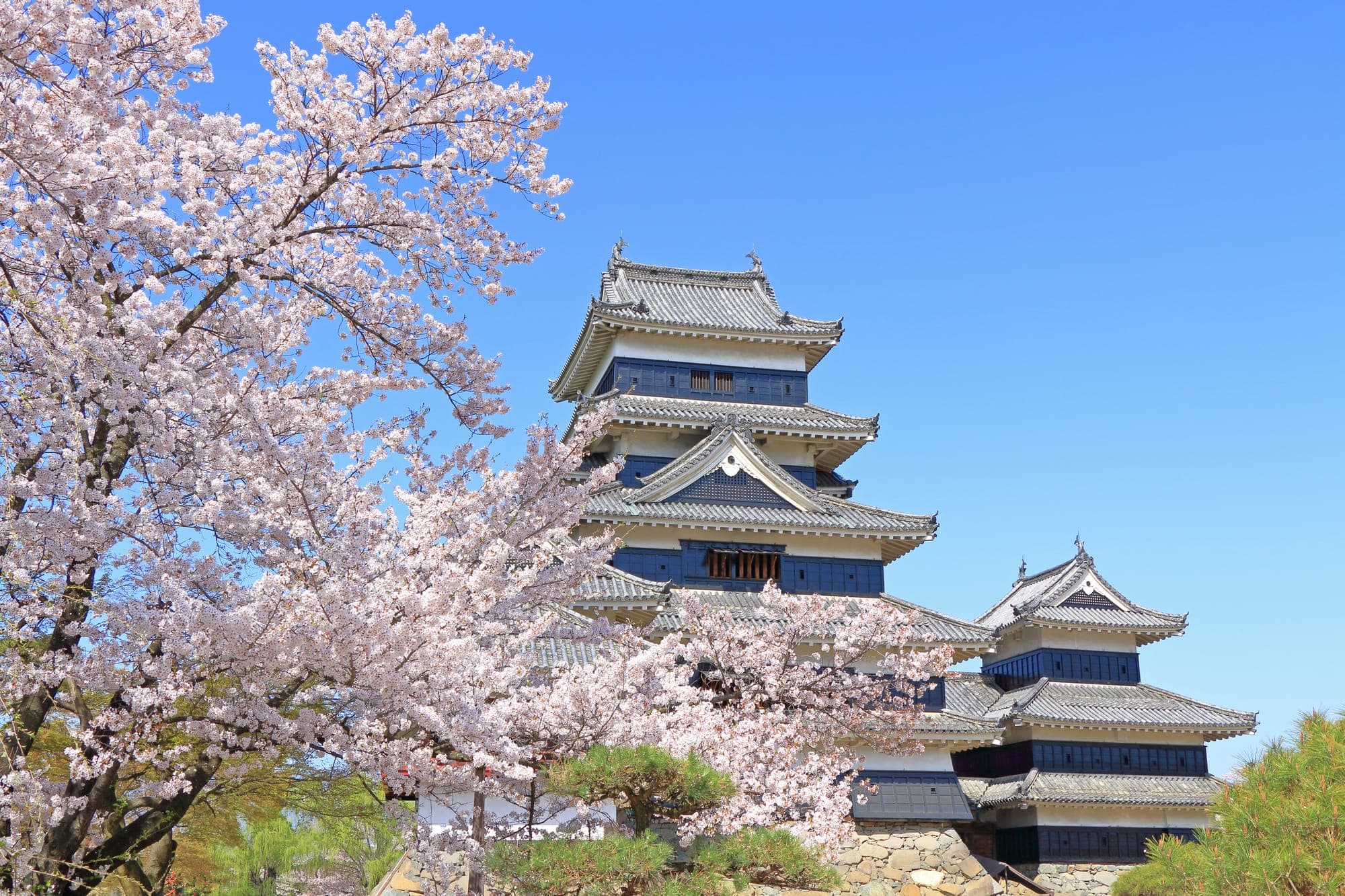
- Tsurugajo Castle (鶴ヶ城): Originally built in 1384 and reconstructed with distinctive red roof tiles. Inside is a samurai museum, and from the top floor you’ll get sweeping city views. Cherry blossoms in spring make it one of Fukushima’s top hanami spots.
- Iimoriyama & Byakkotai Memorial (飯盛山): The Byakkotai Memorial honors teenage samurai who fought in the 1868 Boshin War and tragically took their lives, believing Tsurugajo had fallen. The site overlooks the city, with shrines, shops, and a replica of the Sazae-do Pagoda nearby. Sazaedo itself, built in 1796, is a unique Buddhist temple shaped like a seashell. Inside, its double-helix slope creates a one-way path so visitors never cross each other, making it incredibly special.

- Aizu Bukeyashiki (会津武家屋敷): A preserved samurai residence with gardens, a tea room, and weapon displays.
📍 [Aizu-Wakamatsu – Google Maps]
Kitakata – Ramen Capital of Japan 🍜
Kitakata may be small, but it’s world-famous for ramen and my mom’s hometown. Honestly, this is my favorite ramen in the world and I genuinely think it's better than anything in Tokyo.
📍 [Kitakata Ramen Street – Google Maps]

- Local Cuisine: Try Wappa-meshi (rice with seasonal toppings steamed in a wooden container) or Sauce Katsudon (deep-fried pork cutlet with tangy sauce), both Aizu specialties.
Why It’s Special:
- Over 100 ramen shops serve Kitakata Ramen, one of Japan’s “Big Three” styles (alongside Sapporo and Hakata).
- Features thick, flat curly noodles made with pure spring water.
- A soy sauce–based broth with pork bones, niboshi (dried sardines), and vegetables.
- Topped with generous chashu, bamboo shoots, and green onions.
Locals love asa-ra (朝ラー) or ramen for breakfast. I once lined up at 6 a.m. and still had to wait an hour.
Where to Eat:
- Ban Nai Shokudo (坂内食堂): Famous for melt-in-your-mouth chashu.
- Genraiken (源来軒): The birthplace of Kitakata ramen (since 1927).

Ouchi-juku – Edo-Period Post Town
Walking through Ouchi-juku feels like stepping back into the Edo period (1603–1868). Once a rest stop along the Aizu-Nishi Kaido trade route, it remains beautifully preserved.

Highlights:
- Historic Street: Lined with thatched-roof houses, a ton of souvenir shops, and inns.
- Negi Soba: Buckwheat noodles eaten with a leek stalk instead of chopsticks - It’s a cultural staple and fun.
- Viewpoint: A short hike leads to a shrine with a stunning panoramic view of the town.

Climbing Mt. Bandai (磐梯山) – The “Mt. Fuji of Aizu”
Mt. Bandai, one of Japan’s 100 Famous Mountains, is beloved by hikers and nature lovers.
Hiking Details:
- Elevation: 1,819 m
- Best Season: Late May – October
- Trails:
- Happodai Trail (3–4 hrs round trip) – popular and relatively easy
- Inawashiro Trail (5–6 hrs) – longer but with amazing lake views

- From the summit, you’ll see Lake Inawashiro, Urabandai highlands, and even Niigata’s mountains.
Winter:
The area transforms into a ski destination, with resorts like Alts Bandai offering powder snow and hot spring access.

Lake Inawashiro (猪苗代湖) – The “Mirror of Heaven”
📍 [Lake Inawashiro – Google Maps]
Japan’s fourth-largest lake, famous for its clarity and reflection of Mt. Bandai.

Things to Do:
- Summer: Swimming, paddleboarding, kayaking, windsurfing, and fishing.
- Winter: From Nov–Mar, thousands of migratory swans stop at the lake.
- Tenkyo-no-sato Observatory: A great spot to photograph Mt. Bandai mirrored in the lake.
2-Day Fukushima Itinerary from Tokyo
Day 1 – Samurai History & Onsen Retreat
- Morning: Tokyo → Aizu-Wakamatsu via Shinkansen (~2.5–3 hrs).
- Late Morning: Explore Tsurugajo Castle and learn about the Boshin War.
- Lunch: Try Aizu specialties like Wappa-meshi or Sauce Katsudon.
- Afternoon: Visit Iimoriyama Hill, Byakkotai Memorial, and Sazae-do Pagoda.
- Late Afternoon: Tour Aizu Bukeyashiki (samurai residence)
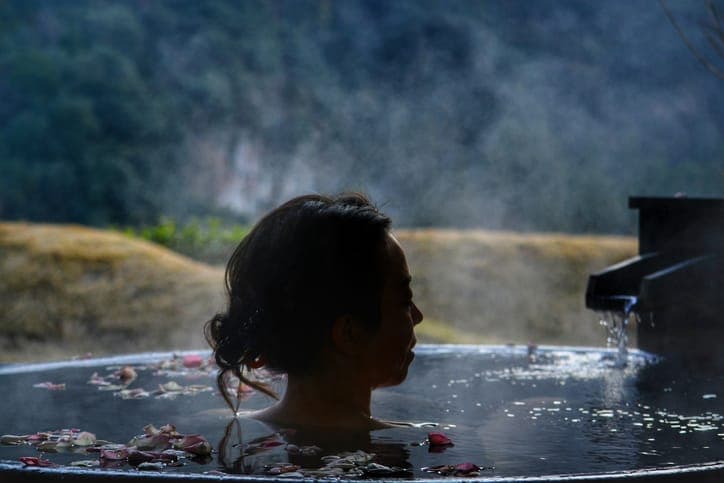
- Evening / Night: Relax at Higashiyama Onsen in a ryokan with kaiseki dinner. Overnight in Aizu-Wakamatsu.
Day 2 – Ramen, Edo-Era Streets & Nature
- Morning: Kick off your day with a delicious bowl of Kitakata ramen, famous for its rich soy-based broth and curly noodles.
- Late Morning: Wander through Kitakata’s charming streets and visit the historic Shingu Kumano Shrine, over 1,000 years old.
- Lunch: Savor local specialties like Enban Gyoza, Negi Soba, or pair your meal with a taste of regional sake.
- Early Afternoon: Step back in time at Ouchi-juku, a picturesque post town with traditional thatched-roof houses.
- Evening/Night: Head back to Tokyo (approximately 2.5 hours).
Travel Tips
- Renting a car makes traveling between Kitakata and Ouchi-juku much easier. Without one, focus on Aizu-Wakamatsu and Ouchi-juku.
- For a slower pace, spend an extra night in the Urabandai or Lake Inawashiro area.
- Seasonal Highlights:
- Summer: Fukushima’s peaches - juicy and famous nationwide.
- Winter: Watch the swan migration at Lake Inawashiro or enjoy skiing and snowboarding in the nearby resorts.
- Sake Lovers: Fukushima has won more National Sake Appraisal gold medals than any other prefecture in Japan. Many breweries offer tastings.

Still wondering about things to do in Fukushima?
Fukushima is beautiful, historic, and full of culture.
TOMOGO! offers stress-free tours and private experiences to explore its landscapes, history, and local cuisine at your own pace.